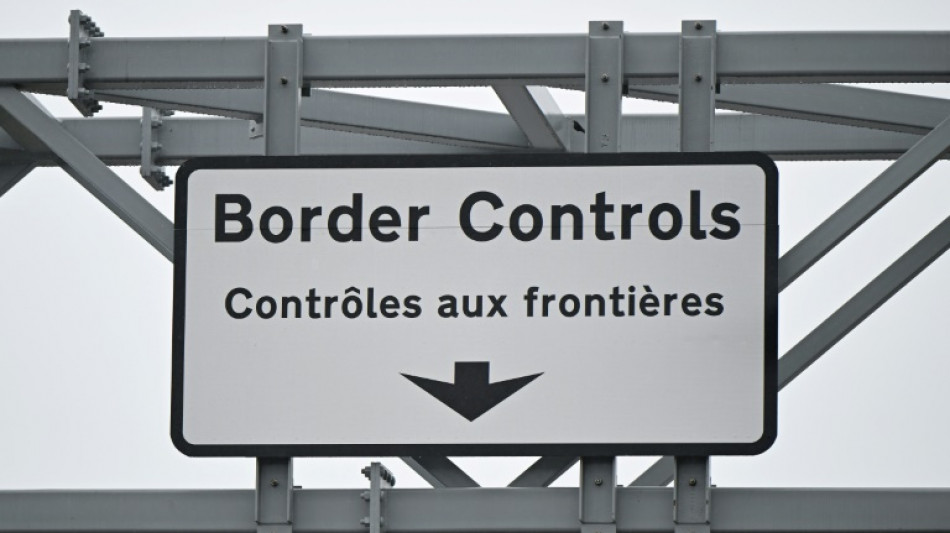
Automated border checks start in Europe / Photo: Justin TALLIS - AFP/File

 Barred from elections, Russia's anti-war party vows to fight on
 Jaissle states Newcastle ambition but urges patience
 NBA star Cooper Flagg trading card a slam dunk for lucky buyer
 ForumPay Expands Payment Infrastructure with New Card and Bank Transfer Acceptance Solution

 Oil prices higher, stocks flat ahead of inflation report

 Orban-critic ex-judge becomes Hungary president after predecessor ouster
 US rights groups sue Trump over ICC sanctions

 Sphere 3D Corp. (Nasdaq: ANY) Attracts 6.5% Stake from Turnaround Bitcoin-Mining Investor
 Oil prices lower, stocks higher as Hormuz doubts drag on
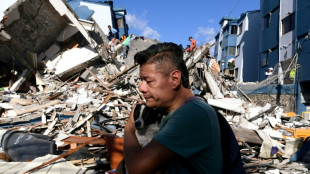 Colombia scrambles to find survivors as quake kills 181
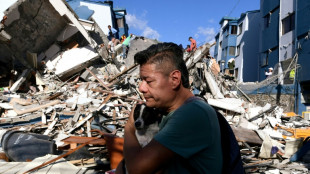 Colombia scrambles to find survivors as quake kills 169
 MEXC Report: 74.2% of Traditional Finance Users Have Shifted Their Trading Activity to Crypto Exchanges

 MEXC Lists DAPPOS (DOS) With $60,000 Worth of DOS and 10,000 USDT in Airdrop+ Rewards
 Jellyfish force shutdown of three reactors at French nuclear plant

 Hodgkinson, Werro sail through Euro 800m qualifying
 Somali referee denied World Cup 'proud' to oversee UEFA Super Cup
 French newspapers target Google over AI summaries
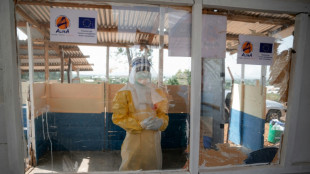 Ebola death toll in DR Congo outbreak rises to more than 2,000

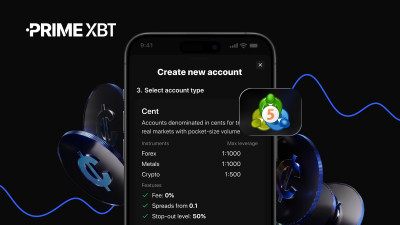 PrimeXBT Launches MT5 Cent Account for Beginners and Risk-Conscious Traders
 British sprinter Hunt chasing three more golds after winning 100m
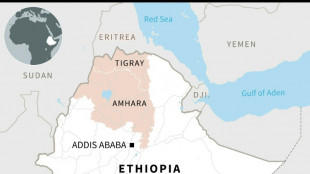 Ethiopia's Tigray rebel authorities condemn army drone strikes
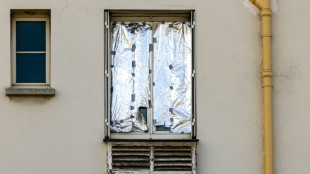 Too hot to live? French buyers rethink housing choices after heatwaves
 Ukraine says Russia fired N. Korean missiles in deadly attack
 Oil prices jump further as hopes for Hormuz deal fade
 Trump says would be 'terrible mistake' to oust embattled Infantino
From Sunday, non-EU travellers entering Europe's Schengen open-borders zone will be photographed and fingerprinted at border crossings, as the European Union rolls out its much-delayed automated border checks.
The aim of the new system is to eventually replace the manual stamp on passports and secure better information-sharing between the bloc's 27 states.
The border-check system will allow authorities to know when people entered and exited a country, with the goal of better detecting anyone overstaying and people refused entry.
Hotly debated for nearly a decade, the system has raised concerns among transport providers and passengers, who fear it could lead to longer queues at airports and train stations.
To limit disruptions, there will be a phased rollout.
The first phase begins on Sunday.
Non-EU nationals arriving for short stays in EU countries -- except Cyprus and Ireland -- will be asked for their passport number, to provide fingerprints and have their photo taken at automated kiosks.
The same requirements will apply in Iceland, Liechtenstein, Norway -- members of the European Economic Area including the EU -- and Switzerland.
- Phased-in -
The bloc's biggest countries, including France and Germany, will initially carry out only limited checks in a bid to avoid huge queues at airports.
Some smaller member states have the system fully in place from Sunday.
The member states will have until mid-April to use automated checks for all passengers at their borders.
All eyes will be on the UK border as British nationals -- no longer EU citizens after Brexit -- will also be subject to the new checks.
UK authorities have already warned Britons each passenger will have to wait a few extra minutes before they can enter Schengen territory.
The Channel Tunnel's operator Getlink and train service Eurostar had expressed confidence they were ready and the system would run smoothly.
Checks were being carried out for passengers in Britain before they cross the border, especially at London's St Pancras station and the port of Dover. Terminals had already been installed.
- ETIAS scheme coming -
The EU executive has said there will be information campaigns to streamline the implementation of the Entry/Exit System (EES).
"EES will contribute to prevent irregular migration and help protect the security of everyone living in or travelling to Europe," it said.
The next phase in the EU's border overhaul will be the launch of an electronic travel authorisation document, known by its acronym ETIAS, similar to the United States' ESTA or its British equivalent.
Under ETIAS, citizens of visa-exempt countries travelling to the EU would have to complete an online form and pay a small fee -- whose amount is still under discussion.
A.Magalhes--PC