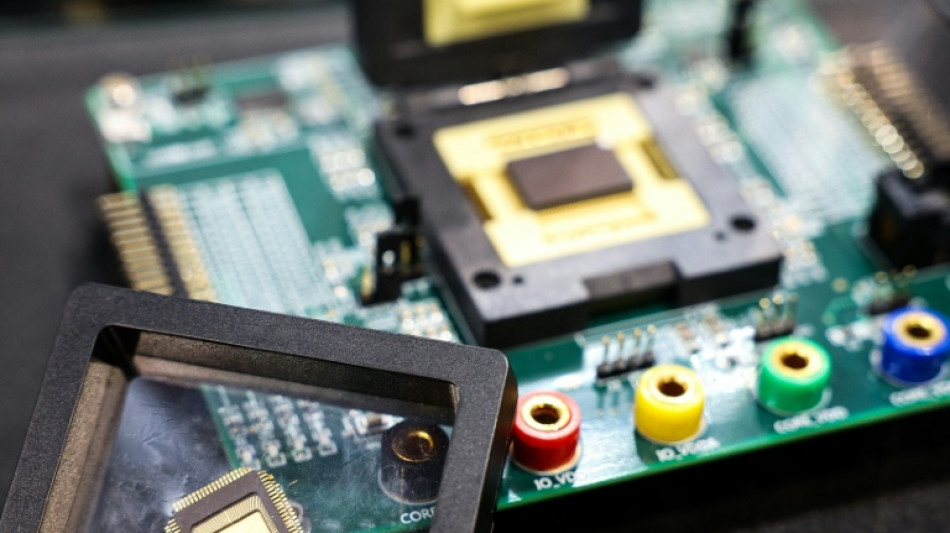
Taiwan to keep production of 'most advanced' chips at home: deputy FM / Photo: I-HWA CHENG - AFP

 Xi arrives in US to personal Trump welcome

 Morocco elects new parliament amid social frustration, youth discontent
 Scheffler and Burns to face Im and Lee in Presidents Cup opener

 Crushing wins for Lyon and Barca in women's Champions League
 Rio breaks record for rainiest September amid powerful El Nino
 At UN, tech chiefs urge caution in AI development
 Russian strikes kill seven in Ukraine, Zelensky vows winter campaign
 Venezuelan shot by ICE needs urgent medical care, mother tells AFP
 Zelensky says Putin using fighters from 47 countries in Ukraine war
 Klopp calls on Germany to 'rise above ourselves' as new era begins

 Russian strikes kill seven in Ukraine as Russia vows no 'pause' to war

 ArcPoint Expands Globally with Institutional Intelligence Platform for Modern Investors
 Ronaldo focussing on 'present' ahead of Wales test
 Outgoing UN chief makes final climate push at New York summit
 Grief and pain flow at hearing for Canadian suicide poison vendor

 Ireland boss Hallgrimsson says timing of Israel remarks 'not clever'
 Weinstein resentenced to 15 years in prison for 2006 sex assault
 Fendi brings disco bling, Italian style, to Milan Fashion Week
 French court confirms rape trial for PSG and Morocco star Hakimi
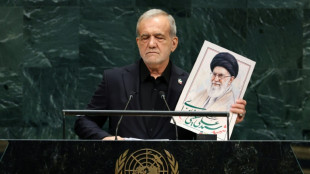 President tells Trump that Iran will never 'bend at the knee'

 أليكس بودي والبروفيسور الدكتور شتيفان هاوبت يتفقان على التعاون من أجل مجموعة فنية أسطورية في رومانيا
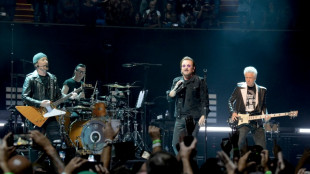 U2 at 50: Irish rockers reveal anniversary album
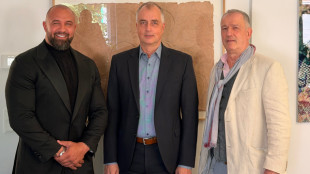
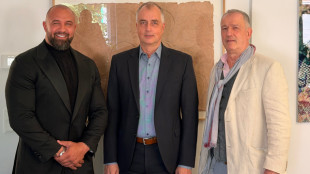 Алекс Боді та проф. д-р Стефан Гаупт домовилися про співпрацю щодо легендарної колекції мистецтва в Румунії
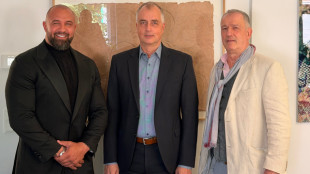
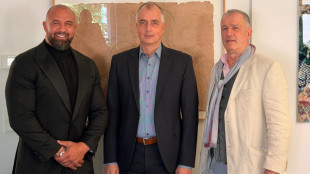 Alex Bodi și prof. dr. Stefan Haupt încheie un acord de cooperare pentru o colecție de artă legendară în România
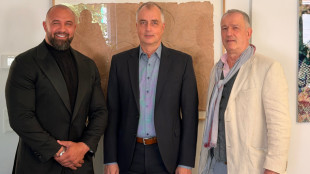 Alex Bodi and Prof. Dr Stefan Haupt agree to collaborate on a legendary art collection in Romania
Taiwan plans to keep making the "most advanced" chips on home soil and remain "indispensable" to the global semiconductor industry, the deputy foreign minister told AFP, despite intense Chinese military pressure.
The democratic island makes more than half of the world's chips, and nearly all of the most advanced ones, that power everything from smartphones to AI data centres.
Its dominance of the industry has long been seen as a "silicon shield" protecting it from an invasion or blockade by China -- which claims the island is part of its territory -- and an incentive for the United States to defend it.
But the threat of a Chinese attack has fuelled concerns about potential disruptions to global supply chains and has increased pressure for more chip production beyond Taiwan's shores.
"We will try to maintain the most advanced technology in Taiwan, and to be sure that Taiwan continues to play an indispensable role" in the semiconductor ecosystem, Deputy Foreign Minister Francois Chih-chung Wu told AFP in an interview Wednesday.
"I think it's the same logic for every country, even countries not under such a very complicated geopolitical situation."
China has ramped up military pressure on Taiwan in recent years, deploying on an almost daily basis fighter jets and warships around the island.
Taiwan has responded by increasing defence spending to upgrade its military equipment and improve its ability to wage asymmetric warfare.
- 'Core interest' -
The island does not have enough land, water or energy to accommodate the fabrication plants, or fabs, needed to meet soaring demand for chips, "so step by step we enlarge our investment in the world, but still linking with Taiwan", said Wu, who was previously the representative to France.
Taiwan's TSMC, the world's largest chipmaker, has already invested in fabs in the United States, Japan and Germany.
And earlier this year the firm pledged to spend an additional US$100 billion on US chip plants, as President Donald Trump threatened to impose tariffs on overseas-made semiconductors.
However, replicating TSMC's factories in the United States is full of challenges, said Wu, citing Taiwan's "very special culture to make the semiconductors very well".
The best way to reduce risks to the chip industry was not to move fabs abroad but to "prevent the war", Wu said.
US Secretary of Commerce Howard Lutnick said recently he had proposed to Taiwan a 50-50 split in chip production, an idea that Taipei rejected.
While Washington is Taiwan's most important security backer, some of Trump's comments about the island and flip-flopping on Ukraine have raised doubts over his willingness to defend it.
Wu, however, expressed confidence that the United States, as well as Europe, would respond to a Chinese attack on Taiwan in order to protect their "national interest" in the region.
"It just happens that your interest and Taiwan's interest we share together," Wu said.
Those interests, he said, included the semiconductor industry but also peace, and freedom of navigation in the Taiwan Strait, which is a key international shipping route.
"I think Donald Trump understands better and better, day by day, the strategic importance of Taiwan... and will defend American interests in his own way," Wu said.
"We are the core interest of China, but we are also a core interest of the US."
F.Moura--PC