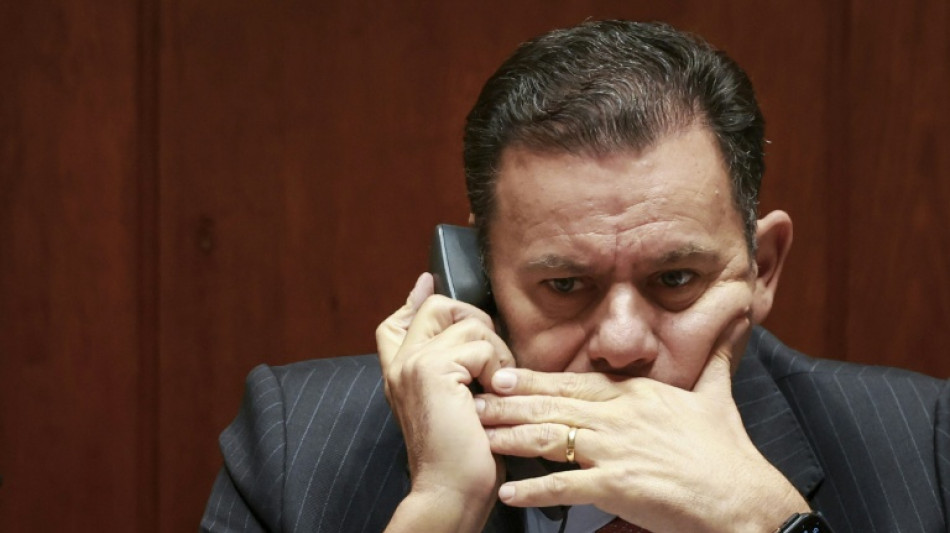
General strike hits planes, trains and services in Portugal / Photo: PATRICIA DE MELO MOREIRA - AFP

 Xi arrives in US to personal Trump welcome
 Morocco elects new parliament amid social frustration, youth discontent
 Scheffler and Burns to face Im and Lee in Presidents Cup opener
 Crushing wins for Lyon and Barca in women's Champions League
 Rio breaks record for rainiest September amid powerful El Nino
 At UN, tech chiefs urge caution in AI development
 Russian strikes kill seven in Ukraine, Zelensky vows winter campaign
 Venezuelan shot by ICE needs urgent medical care, mother tells AFP
 Zelensky says Putin using fighters from 47 countries in Ukraine war
 Klopp calls on Germany to 'rise above ourselves' as new era begins

 Russian strikes kill seven in Ukraine as Russia vows no 'pause' to war

 ArcPoint Expands Globally with Institutional Intelligence Platform for Modern Investors

 Ronaldo focussing on 'present' ahead of Wales test

 Outgoing UN chief makes final climate push at New York summit
 Grief and pain flow at hearing for Canadian suicide poison vendor
 Ireland boss Hallgrimsson says timing of Israel remarks 'not clever'
 Weinstein resentenced to 15 years in prison for 2006 sex assault
 Fendi brings disco bling, Italian style, to Milan Fashion Week
 French court confirms rape trial for PSG and Morocco star Hakimi
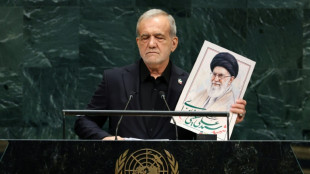 President tells Trump that Iran will never 'bend at the knee'

 أليكس بودي والبروفيسور الدكتور شتيفان هاوبت يتفقان على التعاون من أجل مجموعة فنية أسطورية في رومانيا
 U2 at 50: Irish rockers reveal anniversary album
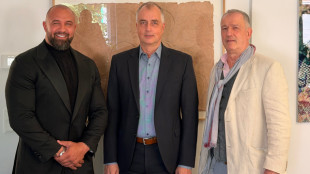
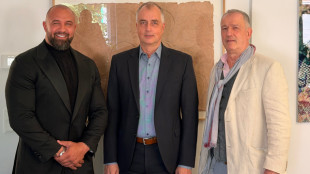 Алекс Боді та проф. д-р Стефан Гаупт домовилися про співпрацю щодо легендарної колекції мистецтва в Румунії
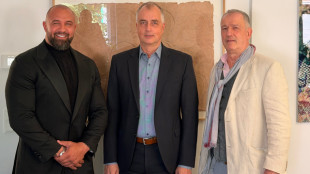
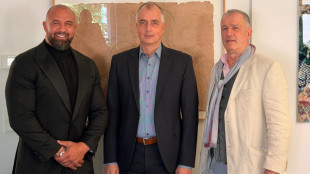 Alex Bodi și prof. dr. Stefan Haupt încheie un acord de cooperare pentru o colecție de artă legendară în România
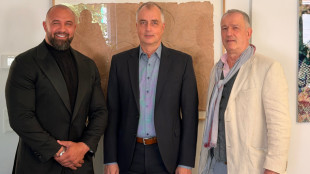 Alex Bodi and Prof. Dr Stefan Haupt agree to collaborate on a legendary art collection in Romania
Widespread disruption hit Portuguese air travel and trains, hospitals and schools Thursday as the unions called the biggest nationwide strike action for more than a decade against government labour reforms.
Lisbon's main train station was empty with most services cancelled and the TAP Air Portugal national airline called off about two thirds of its normal 250 flights.
According to unions, refuse collection was at a standstill along with hospital departments handling non-urgent cases. Schools and courts were also affected.
Unions have been infuriated by a law proposed by the right wing minority government that it says aims to simplify firing procedures, extend the length of fixed-term contracts and expand the minimum services required during a strike.
Prime Minister Luis Montenegro insisted that the labour reforms, with more than 100 measures, were intended to "stimulate economic growth and pay better salaries".
But the communist-leaning CGTP and more moderate UGT unions have lambasted the plans. And the walk-out is Portugal's biggest since June 2013, when the country needed International Monetary Fund and European Union help to overcome a debt crisis.
CGTP secretary general Tiago Oliveira said the reforms were "among the biggest attacks on the world of work". He told AFP the government action would "normalise job insecurity" and "make dismissals easier".
- Support for strikers -
Out of a working population of some five million people, around 1.3 million are already in insecure positions, Oliveira said.
With Portugal set to elect a new president in early 2026, Oliveira said he considered the strike was "already a success" even before it started as it had drawn public attention to the labour reforms.
Public opinion is largely behind the action, with 61 percent of those polled in favour of the walk-out, according to a survey published in the Portuguese press.
On the eve of the strike, Montenegro said he hoped "that the country will function as normally as possible... because the rights of some must not infringe on the rights of others".
Although his right-wing party lacks a majority in parliament, Montenegro's government should be able to force the bill through with the support of the liberals -- and the far right, which has become the second-largest political force in Portugal.
The left-wing opposition has accused Montenegro's camp of not telling voters that workers' rights roll-backs were on the cards while campaigning for the last parliamentary elections.
Although Portugal has recorded economic growth of around two percent and a historically low unemployment rate of some six percent, the prime minister has argued that the country should take advantage of the favourable climate to push through reforms.
Armindo Monteiro, head of the main employers confederation, the CIP, condemned the strike and told AFP the government's draft law was only a "basis for discussion" aiming to correct the "misbalance" caused by labour changes made by a previous left wing government.
T.Batista--PC