
-
 Xi arrives in US to personal Trump welcome
-
Giants QB Dart to have season-ending surgery
-
 Morocco elects new parliament amid social frustration, youth discontent
-
Venezuelan shot by ICE needs urgent surgery, mother tells AFP

-
 Scheffler and Burns to face Im and Lee in Presidents Cup opener
-
Giants QB Dart to have season-ending surgery: reports
-
 Crushing wins for Lyon and Barca in women's Champions League
-
Judge urged to lift Trump's White House ban on media outlets
-
 Rio breaks record for rainiest September amid powerful El Nino
-
Stocks fall on soaring bond yields, higher oil prices
-
 At UN, tech chiefs urge caution in AI development
-
US judge weighing Trump's White House ban on media outlets
-
 Russian strikes kill seven in Ukraine, Zelensky vows winter campaign
-
At UN, OpenAI's Altman calls 'for extreme care' in AI
-
 Venezuelan shot by ICE needs urgent medical care, mother tells AFP
-
Hamilton gives thumbs up to Gulf GPs despite Iran conflict
-
 Zelensky says Putin using fighters from 47 countries in Ukraine war
-
Leclerc admits going 'too far' in Hamilton shunt in Italy

-
 Klopp calls on Germany to 'rise above ourselves' as new era begins
-
Row engulfs Dolly Parton's estate as manager accuses nephew of making threats

-
 Russian strikes kill seven in Ukraine as Russia vows no 'pause' to war
-
Mandela Digital Extends Early Access Programme to 11 February 2027 Following Strong Response

-
 ArcPoint Expands Globally with Institutional Intelligence Platform for Modern Investors
-
US seeks 11th Presidents Cup win in a row over global foes
-
 Ronaldo focussing on 'present' ahead of Wales test
-
McDonald's to boost franchisees as inflation weighs on consumers

-
 Outgoing UN chief makes final climate push at New York summit
-
Trump invites Putin to G20 summit in Miami
-
 Grief and pain flow at hearing for Canadian suicide poison vendor
-
Archaelogical 'breakthrough' could confirm origins of Paris

-
 Ireland boss Hallgrimsson says timing of Israel remarks 'not clever'
-
ILO financial crisis takes centre stage in leadership race
-
 Weinstein resentenced to 15 years in prison for 2006 sex assault
-
Stocks dip, oil soars despite Trump hailing "productive" Iran talks

-
 Fendi brings disco bling, Italian style, to Milan Fashion Week
-
China's Xi to get rare airport welcome from Trump

-
 French court confirms rape trial for PSG and Morocco star Hakimi
-
Turkey reassures investors over investment fund crisis

-
 President tells Trump that Iran will never 'bend at the knee'
-
Saka says England still have 'scar' from World Cup semi-final loss

-
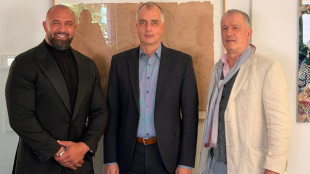 أليكس بودي والبروفيسور الدكتور شتيفان هاوبت يتفقان على التعاون من أجل مجموعة فنية أسطورية في رومانيا
-
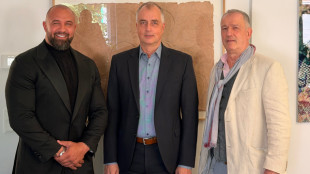
アレックス・ボディ氏とシュテファン・ハウプト教授、ルーマニアの伝説的な美術コレクションをめぐり提携に合意
-
 U2 at 50: Irish rockers reveal anniversary album
-
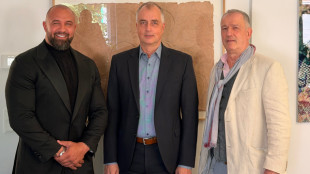
亞歷克斯·博迪與史蒂芬·豪普特教授就羅馬尼亞傳奇藝術收藏達成合作協議
-
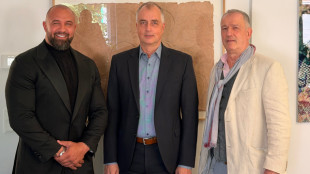 Алекс Боді та проф. д-р Стефан Гаупт домовилися про співпрацю щодо легендарної колекції мистецтва в Румунії
-
Алекс Боди и проф. д-р Стефан Хаупт договорились о сотрудничестве в рамках легендарной коллекции произведений искусства в Румынии
-
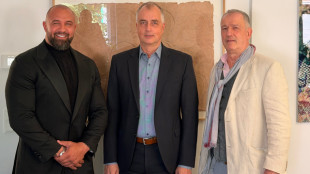
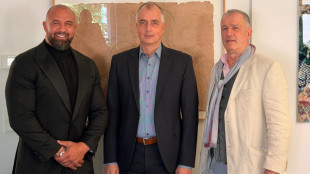 Alex Bodi și prof. dr. Stefan Haupt încheie un acord de cooperare pentru o colecție de artă legendară în România
-
French foreign minister says Palestinians 'must' hold polls
-
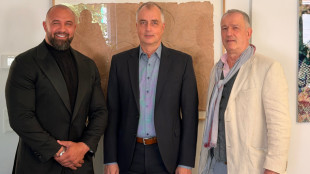 Alex Bodi and Prof. Dr Stefan Haupt agree to collaborate on a legendary art collection in Romania
-
Fresh Russian strikes on Ukraine's infrastructure kill seven

Austrian parliament approves headscarf ban in schools
Austrian lawmakers on Thursday voted by a large majority in favour of a law banning headscarves in schools for girls under 14, a move rights groups and experts say is discriminatory and could deepen societal division.
Austria's conservative-led government -- under pressure with anti-immigration sentiment is running high -- proposed the ban earlier this year, arguing it is aimed at protecting girls "from oppression".
In 2019 the country introduced a ban on headscarves in primary schools, but the constitutional court struck it down.
This time the government insists that its law is constitutional, though experts have suggested it could be seen as discriminating against one religion -- Islam -- and putting children in an uncomfortable position.
The law prevents girls younger than 14 from wearing headscarves that "cover the head in accordance with Islamic traditions" in all schools.
After a debate Thursday, only the opposition Green party voted against the ban.
Ahead of the vote, lawmaker Yannick Shetty of the liberal NEOS said the headscarf "is not just an item of clothing" but "sexualises girls".
"When a girl... is told that she must hide her body... to protect herself from the gaze of men, it's not a religious ritual, but oppression," Integration Minister Claudia Plakolm said when presenting the bill.
The ban, which applies to "all forms" of the Islamic veil including hijabs and burqas, would take full effect with the start of the new school year in September, Plakolm said.
From February, an initial period would be launched during which the new rules would be explained to educators, parents and children with no penalties for breaking them.
But for repeated non-compliance, parents would face fines ranging from 150 to 800 euros ($175-930).
The government said that about 12,000 girls would be affected by the new law.
- 'Stigmatised' -
Rights groups and activists have long argued that banning headscarves still amounts to telling a woman what to wear, instead of allowing her the freedom to decide on her own.
Organisations including Amnesty International Austria have criticised the bill.
Amnesty said it "constitutes blatant discrimination against Muslim girls" and described it as an "expression of anti-Muslim racism".
Such measures risk "fuelling existing prejudices and stereotypes against Muslims", the group warned.
The draft law has also drawn criticism from the IGGOe, the body officially recognised as representing the country's Muslim communities.
It said the ban "jeopardises social cohesion", saying "instead of empowering children, they are stigmatised and marginalised".
Angelika Atzinger, managing director of the Amazone women's rights association, said a headscarf ban "sends girls the message that decisions are being made about their bodies and that this is legitimate".
Her comments appeared in a statement published by the anti-racism group SOS Mitmensch, which also opposes the proposed law.
Austria's anti-immigration, far-right Freedom Party (FPOe) said the ban did not go far enough, however. They want it extended to all students, teachers and other staff.
In France, authorities banned school children in 2004 from wearing signs of religious affiliation such as headscarves, turbans or Jewish skullcaps, on the basis of the country's secular laws, which are meant to guarantee neutrality in state institutions.
H.Portela--PC